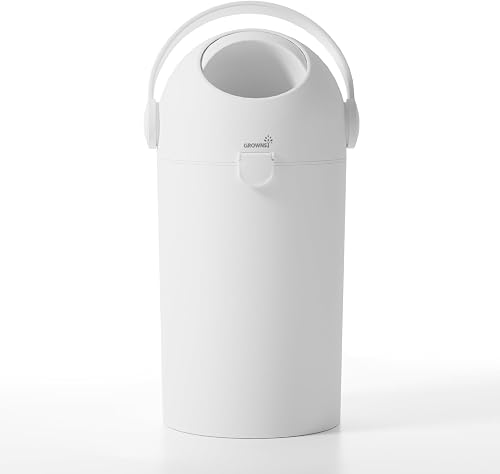
Diaper pails hold used diapers between trash days and aim to contain odour, and they differ by the bag system they use. Pails with proprietary refill cartridges seal each diaper in a continuous bag, while pails that take regular kitchen bags save on refill costs. The first decision is whether you are willing to buy refills, because refill costs add up over the years of diapering.
Odour control is the next question. Steel pails with tight seals and rubber gaskets contain odours more effectively than plastic, which can absorb smells over time. Systems that twist or clamp each diaper reduce odour each time the lid opens. Baking soda pods and carbon filters add extra control.
Capacity and size come next. Among the 7 products that list capacity, most fall between 2.1 and 13 gallons, and 9.3 gallons is typical. A larger pail needs emptying less often but holds smell longer, and cloth diapers need a pail or wet bag designed for them.
Ease of use matters during night changes. Foot pedals or one handed openings let you hold the baby while disposing of a diaper, and a child lock stops curious toddlers.
Before buying, check the bag type and refill cost, the capacity, the material, the opening method, the child lock and the size. Empty the pail regularly and wash it now and then with a mild cleaner. Some parents use a pail in the nursery and a small one in another room for changes elsewhere in the house. Pails that work without refills may still need bags of a certain size, so check the fit. For travel and outings, disposable scented bags handle single diapers until you reach a bin. Look at the pail's height too, since a tall pail is easier to use without bending.
How we list products: every listing here has a recorded price, a minimum customer rating and enough ratings or monthly sales. Generic and unbranded listings are left out; every real brand stays, including brands sold only on Amazon. Products are ordered by the same ProductDome score on every page.Editorial policy

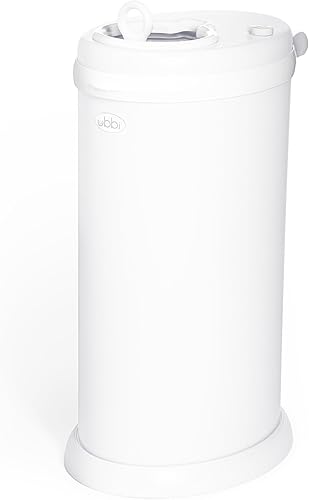 Popular Pick