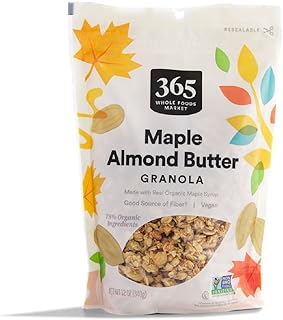
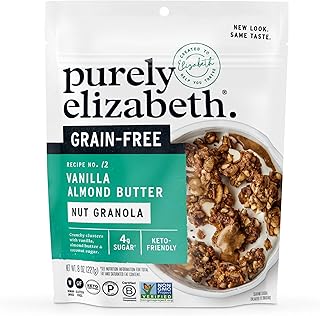
Granola mixes oats with nuts, seeds, sweeteners and oil, baked into clusters or loose crumbs, and it varies widely in sweetness, texture and ingredients. Some granolas are dense clusters for eating by the handful, others are loose and light for yogurt and milk, and some are made without grains using nuts and seeds only. The first decision is how you will eat it, because a clustered granola makes a good snack, while a loose granola is easier to sprinkle and mix.
Sugar and fat are the next questions. Granola is often sweeter and richer than it looks, so compare the serving size and the sugar per serving on the label, since serving sizes differ between brands. Granolas sweetened with honey or maple syrup still contain added sugar.
Ingredients and diets come next. Check the label for nuts, since many granolas contain several kinds and share production lines with others. Some packs are labelled Vegan or Kosher, and gluten free granola uses oats certified as uncontaminated. Dried fruit adds sweetness and chewiness, while seeds and nuts add crunch.
Size and packaging matter for freshness. Among the 10 products that list item package weight, most fall between 0.4 and 1.2 pounds, and 0.7 pounds is typical. Granola loses its crunch once opened if the bag is not sealed well, so a resealable bag or a tin helps, and smaller packs suit people who eat it only now and then. Single serve packs are handy for lunch boxes and travel.
Before buying, check the serving size, sugar and fibre per serving, the nut and allergen information, the package size and whether the bag reseals, and store granola in an airtight container in a cool cupboard rather than the fridge, where it can turn soft.
How we list products: every listing here has a recorded price, a minimum customer rating and enough ratings or monthly sales. Generic and unbranded listings are left out; every real brand stays, including brands sold only on Amazon. Products are ordered by the same ProductDome score on every page.Editorial policy

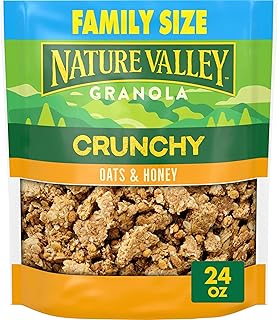 Best Overall