A candy-style protein bar built around texture and low sugar rather than a clean-label ingredient list, worth trying across all four flavors before buying a full case.
CLIF Builders Chocolatey Peanut Butter Protein Bars 12 Count
Model: CCC160041
A recovery-focused peanut butter and chocolate protein bar that reviewers rate highly on taste and texture, though the per-bar price makes it worth watching for a sale.
Power Crunch Peanut Butter Fudge Protein Bars 12 Count
Model: 2860002
A crispy wafer style protein bar for buyers who want a lighter, crunchier texture than the standard chewy bar, not for buyers comparing purely on protein grams.
These 9 protein bars have the highest ProductDome scores among the established products in this category, meaning ones with a large volume of owner ratings and strong evidence; on a tie, the product with more rating evidence ranks first. The score combines owner satisfaction, rating volume, demand and data quality from public Amazon listings (updated 5 days ago). We do not test products ourselves.
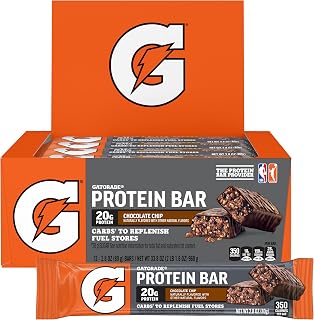
Clif Kid ZBar, Pure, Perfect Bar, Gatorade, Luna Bar lead this category among the 11 brands that passed our curation checks.
How does ProductDome pick these protein bars?
A listing appears only when it has a recorded price, a minimum customer rating, and enough ratings or monthly sales. Generic and unbranded listings are left out, while every real brand stays, including brands sold only on Amazon. The ones that pass are ordered by the ProductDome score, which weighs owner satisfaction, rating volume, demand and data quality.
About protein bars
Protein bars pack protein into a convenient bar for a snack, a quick breakfast or after exercise, and they range from chewy granola style bars to dense, baked bars and coated candy style bars. The protein source varies, with whey and milk proteins in many bars and soy, pea or nut proteins in plant based bars. The first decision is when you will eat them, because a light snack bar and a meal replacement bar have very different calories and protein.
Protein content is the next question. Among the 8 products that list protein, most fall between 7.4 and 20 g, and 20 g is typical. Higher protein bars are often denser and may contain sugar alcohols or added fibre to cut sugar, which can cause stomach upset in some people. Compare protein, sugar, fibre and calories per bar rather than the claims on the front of the box.
Taste and texture come next. Some bars are soft and chewy, others firm and crunchy, and coated bars can melt in a hot car or bag. Before committing to a large box, a variety pack is a cheap way to find a flavour you will actually eat.
Ingredients and allergens matter. Many bars contain milk, soy, nuts and gluten, and some are made in facilities that handle peanuts. Plant based bars suit people avoiding dairy, and some are labelled gluten free or kosher.
Before buying, check the protein, sugar and calories per bar, the protein source, the allergens, the box count and the date on the box, and store bars in a cool place, and remember that protein bars are a convenient snack, not a replacement for a balanced diet. Bars for children are smaller and lower in protein, and they fit lunch boxes more easily than adult sports bars.
How we list products: every listing here has a recorded price, a minimum customer rating and enough ratings or monthly sales. Generic and unbranded listings are left out; every real brand stays, including brands sold only on Amazon. Products are ordered by the same ProductDome score on every page.Editorial policy
Cookie settings
We use necessary cookies to keep the site working. Page views are counted without cookies. With your permission, we also use functional and marketing cookies. Cookie Policy.

 Best Overall


