Water dispensers come in bottle-fed, manually filled and plumbed-in designs, so the first choice is how you want to supply the water: replace bottles, refill a reservoir or connect to a water line. Decide which routine your household can sustain before choosing temperature features. A dispenser may deliver water without filtering it; if treatment is your aim, look for an explicitly described filtration function instead of assuming it comes with dispensing.
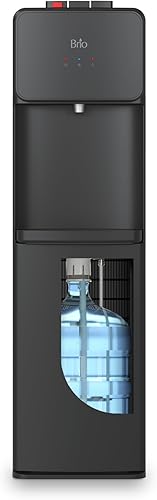
For bottle-fed models, consider where you will store replacement bottles and whether you can lift a full bottle into position. Bottom-loading designs avoid lifting the bottle onto the top of the dispenser, but still require moving it into the cabinet. Manually filled reservoirs mean carrying water to the appliance, while plumbed-in designs depend on a suitable supply connection. Among the 17 products that list capacity, most fall between 1.6 and 5 gallons, and 5 gallons is typical. For bottle-fed or manually filled models, compare how much water the bottle or refillable reservoir holds with your household’s consumption between refills. Distinguish that figure from the size of any separate hot or cold tank; a plumbed-in reservoir replenishes automatically. For bottled designs, confirm the accepted bottle shape and neck fitting, plus whether a starting bottle is supplied or sold separately.
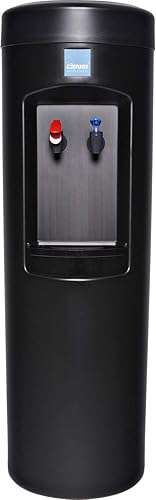
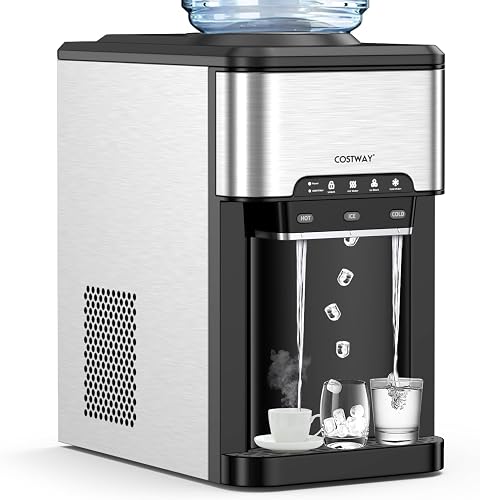
Choose ambient, chilled or hot dispensing according to what you actually pour throughout the day; a water dispenser’s name alone does not promise heating or cooling. For repeated cold drinks or hot-water preparation, compare the stated delivery rate and recovery time with the quantity you expect to draw together. Check the conditions attached to heating or cooling claims: supply-water and room temperatures can affect how much hot or chilled water is available during repeated use. Where children can reach a hot-water outlet, look for a lock and establish how it operates. Measure your tallest regularly used jug against the outlet clearance to avoid having to transfer water from smaller cups.
The installation filter lists Freestanding and Under-Sink. Check the listing or manual for dimensions, required ventilation clearances and space for servicing. For a plumbed model, confirm supply-pressure requirements, required fittings, any drain connection and whether installation parts are included; powered models also need a compatible electrical supply. Stainless Steel or Plastic in the material filter may describe the cabinet, so identify the reservoir and water-contact parts separately. Read the cleaning procedure for reservoirs, taps and removable drip trays. If filtration is fitted, confirm replacement cartridge availability, replacement guidance and whether the initial cartridges are supplied or sold separately.
How we list products: every listing here has a recorded price, a minimum customer rating and enough ratings or monthly sales. Generic and unbranded listings are left out; every real brand stays, including brands sold only on Amazon. Products are ordered by monthly searches for their brand and model on every page.Editorial policy