What are the most popular fly tying materials brands?
Tigofly, Greatfishing, PHECDA PROFLY, XFISHMAN, Riverruns lead this category among the 23 brands that passed our curation checks.
How does ProductDome pick these fly tying materials?
A listing appears only when it has a recorded price, a minimum customer rating, and enough ratings or monthly sales. Generic and unbranded listings are left out, while every real brand stays, including brands sold only on Amazon. The ones that pass are ordered by how many people search for that brand and model each month; review counts only break ties.
About fly tying materials
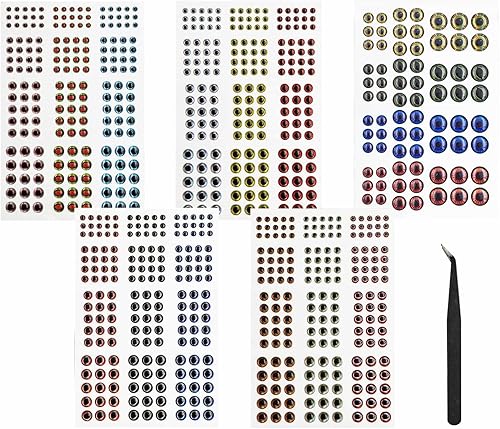
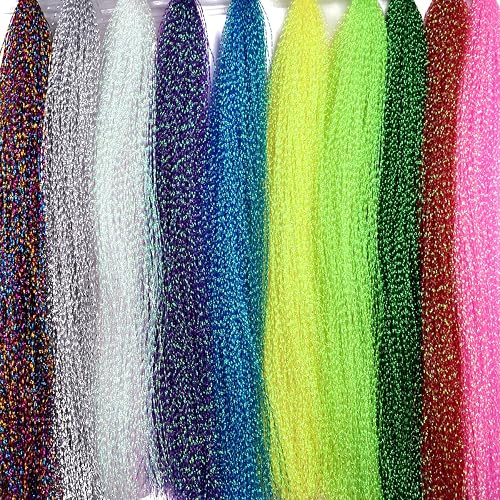
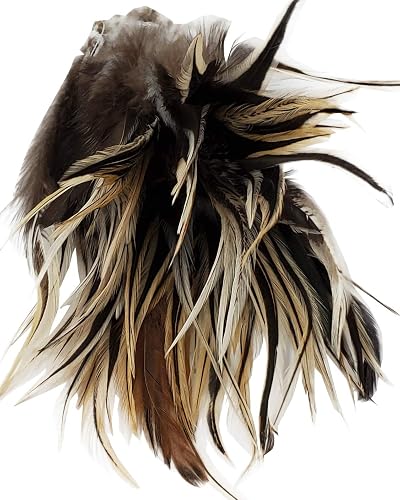
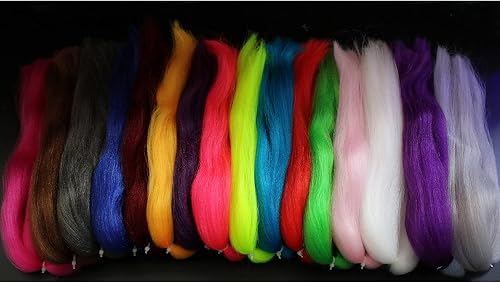
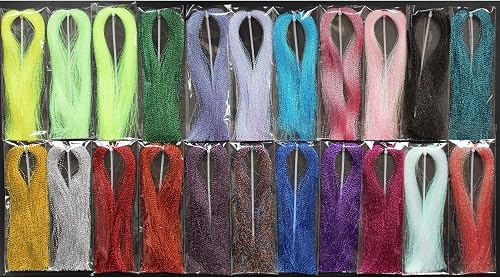
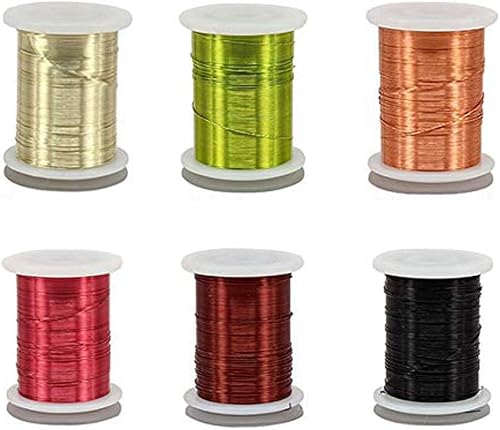
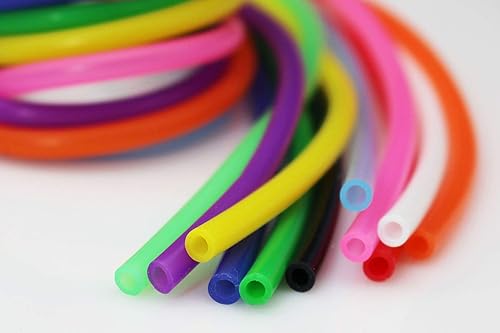
Fly tying materials are the feathers, furs, threads, beads, chenilles and synthetics used to tie artificial flies, and on this page they range from single materials to kits for specific patterns. The first decision is the type of flies you want to tie, because dry flies, nymphs, streamers and saltwater flies need very different materials.
Natural and synthetic materials are the next question. Natural feathers and furs have lifelike movement, while synthetics are consistent, durable and often cheaper. Among the 39 products that list item weight, most fall between 0 and 0.2 pounds, and 0.1 pounds is typical.
Colour and size matter. Match colours to the insects or baitfish in your waters, and buy hook and bead sizes that match patterns you tie.
Beginners do well to start with a few proven patterns, such as a woolly bugger, a hare's ear nymph and an elk hair caddis, and buy materials for those first. Material packs for specific patterns save buying whole skins and capes. Dyed natural materials can bleed colour when wet, so test them before tying many flies. Keep materials organised in labelled boxes or bags, and dry wet feathers before storing them. Buy a few spare hooks too.
Before buying, check what the material is, the colours, the quantity, the pattern kit contents and whether thread and hooks are included. Store natural materials in sealed bags to keep moths away.
How we list products: every listing here has a recorded price, a minimum customer rating and enough ratings or monthly sales. Generic and unbranded listings are left out; every real brand stays, including brands sold only on Amazon. Products are ordered by monthly searches for their brand and model on every page.Editorial policy
Cookie settings
We use necessary cookies to keep the site working. Page views are counted without cookies. With your permission, we also use functional and marketing cookies. Cookie Policy.