Focusrite Scarlett 18i20 3rd Gen USB Audio Interface
Model: AMS-SCARLETT-18I20-3G
A high channel count interface for a home or project studio that records several sources at once and runs studio monitors. The included cable ends in USB-A, so a computer with only USB-C ports needs another cable.
Focusrite Scarlett 2i2 Studio 3rd Gen Audio Interface Bundle
A complete starter recording kit for songwriters and podcasters, with interface, microphone and headphones in one box. Two inputs limit it to small sessions.
Focusrite Scarlett Solo 2nd Gen USB Audio Interface
A simple, compact recorder for a solo singer or guitarist who needs one mic and one instrument. With a single mic preamp, two mics at once is not possible.
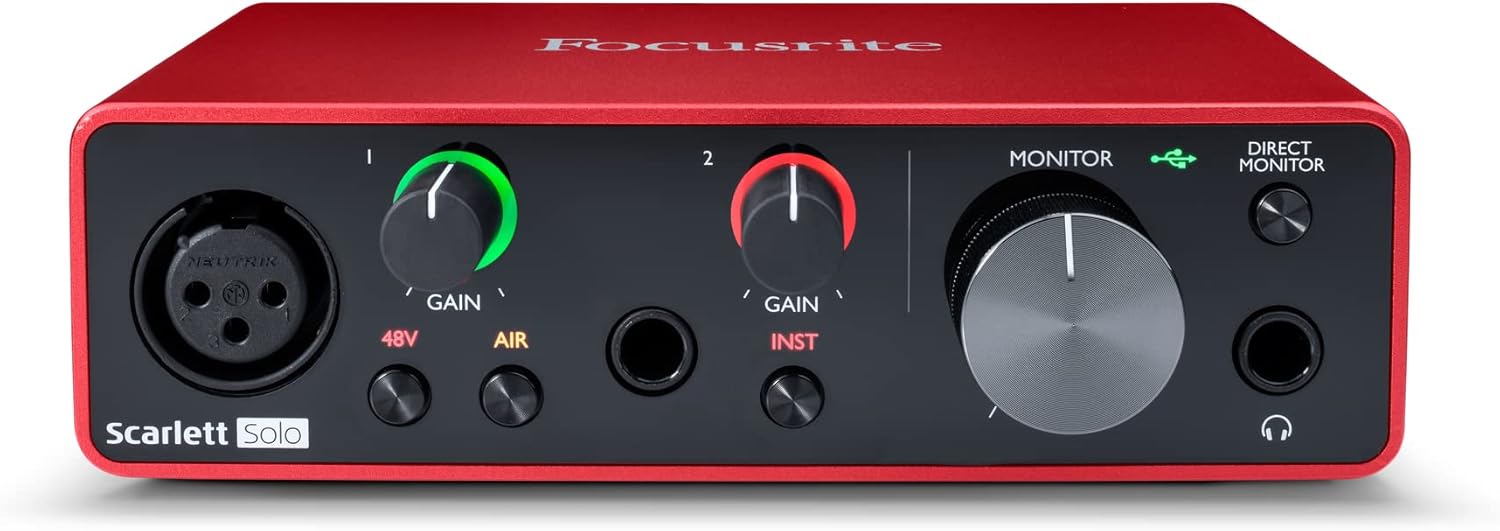
A compact USB interface for a solo musician recording one mic or one guitar at a time into a DAW. Only one input takes XLR and bit depth is not stated, so it suits simple home sessions.
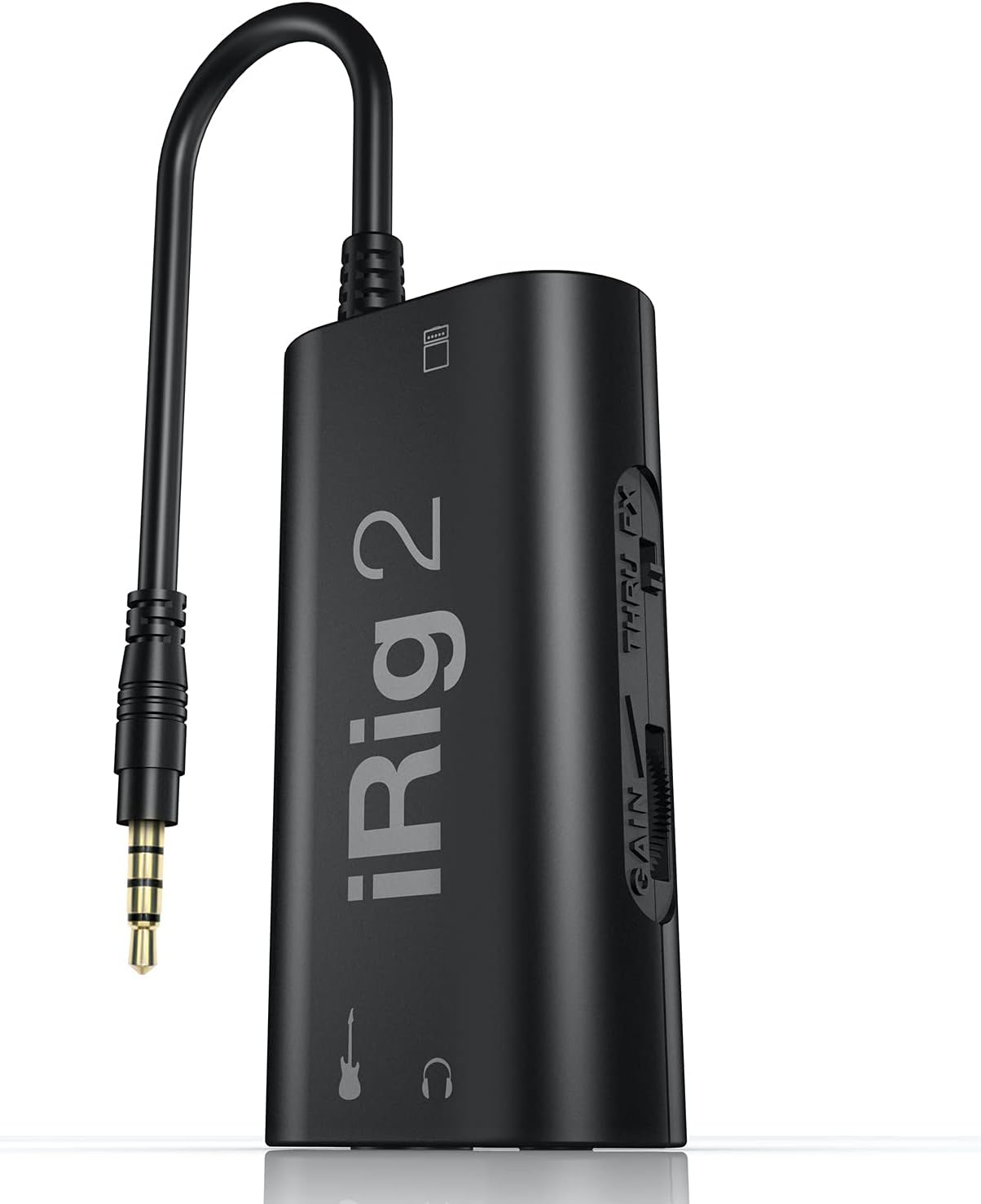
A tiny guitar interface for practicing and recording with amp apps on an iPhone or iPad. Newer devices need an Apple headphone adapter, which is not included.
Focusrite Scarlett 2i2 1st Gen USB Audio Interface
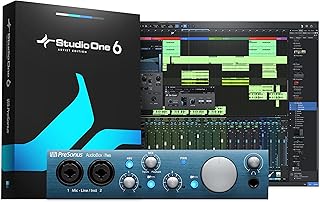
A simple USB interface for recording a voice and an instrument into a computer at home. Outputs, bit depth and phantom power are not listed, so confirm those against your microphone and monitors.
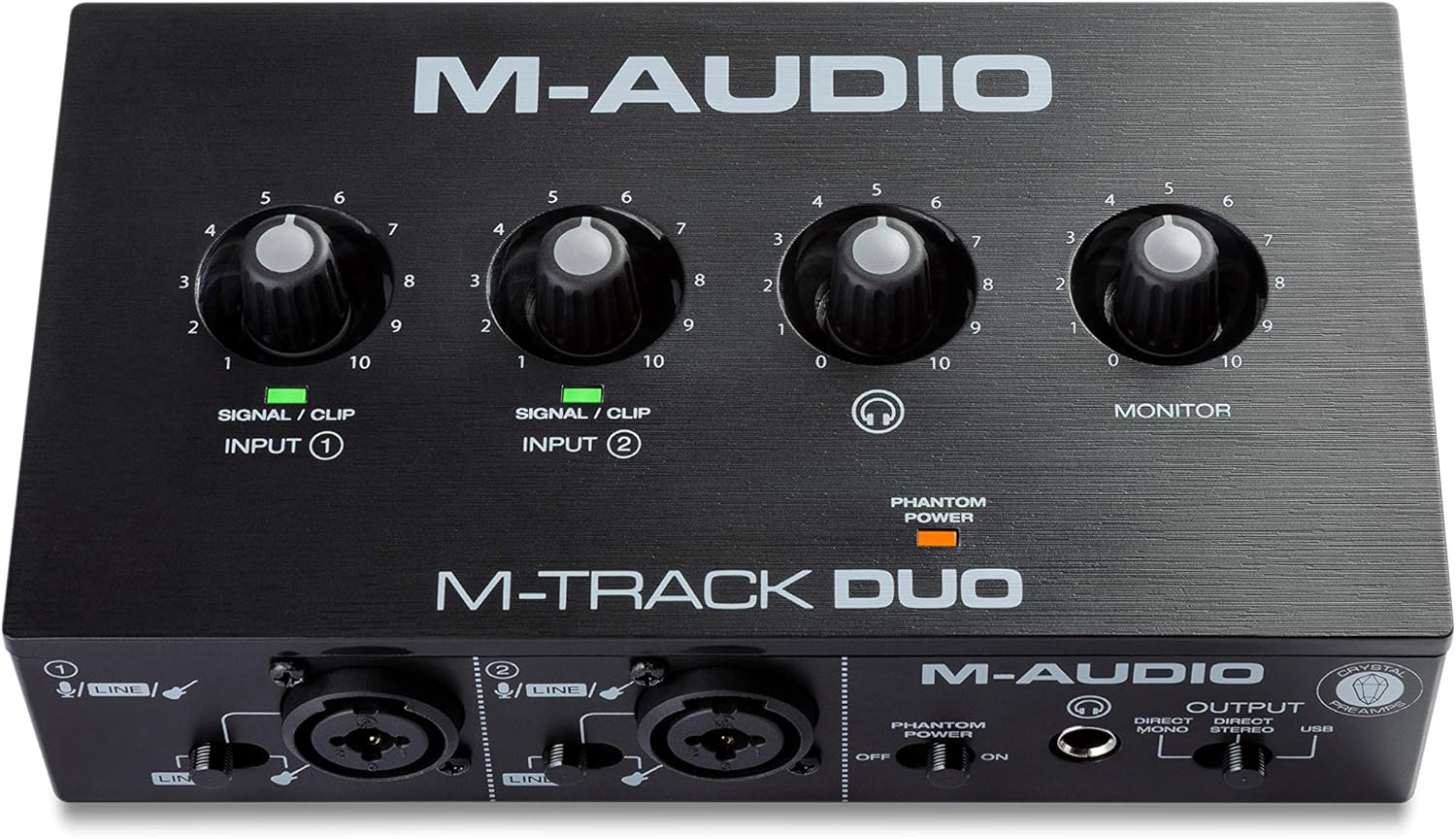
A flexible desktop interface for producers who need more than two inputs, MIDI and two headphone outputs. The listing gives few preamp details, so check mic gain and phantom power needs.
Focusrite Scarlett Solo 1st Gen USB Audio Interface
A one-mic, one-guitar USB interface for recording a voice and an instrument at home on a Mac or PC. With only a single mic preamp, it cannot record two microphones at once.
A simple USB interface for one mic plus a guitar or line source, with software to start producing. Its RCA outputs and small headphone jack limit studio monitor options.
Number of Channels
—Not specified
Audio Input
1 combo XLR/line with phantom power, 1 line/instrument
A compact two-channel interface for a solo artist or a duo recording at home. Phantom power is not listed, so condenser microphone users should confirm support first.
Universal Audio's two input interface gives musicians and podcasters a vintage preamp flavor and a strong plug-in bundle. Mobile use needs the external power supply and an adapter that may not be in the box.
A compact metal interface with a console grade preamp for solo recording at home, with two headphone outputs for a second listener. Input count and sample rate are not spelled out here.
These 10 audio interfaces have the highest ProductDome scores among the established products in this category, meaning ones with a large volume of owner ratings and strong evidence; on a tie, the product with more rating evidence ranks first. The score combines owner satisfaction, rating volume, demand and data quality from public Amazon listings (updated 3 days ago). We do not test products ourselves.
What are the most popular audio interfaces brands?
Focusrite, Universal Audio, Behringer, Audient, PreSonus lead this category among the 47 brands that passed our curation checks.
How does ProductDome pick these audio interfaces?
A listing appears only when it has a recorded price, a minimum customer rating, and enough ratings or monthly sales. Generic and unbranded listings are left out, while every real brand stays, including brands sold only on Amazon. The ones that pass are ordered by the ProductDome score, which weighs owner satisfaction, rating volume, demand and data quality.
About audio interfaces
Audio interfaces range from compact desktop units for a microphone and instrument to larger desktop or rack units with more connections for recording several sources together. Start with what you need to record simultaneously, including whether each performer needs a separate track in your software. A MIDI interface carries performance instructions from compatible instruments; it does not replace the audio inputs needed to record a microphone or an instrument’s sound.
Count the microphone, instrument and line inputs your session needs separately: a headline input total may include digital connections that need additional equipment. A socket that accepts either a microphone or an instrument still handles a single source at a time. For a stereo keyboard, allow separate audio inputs for its left and right outputs if you want to preserve stereo. Your session’s sample rate also needs to work across the interface and recording software. Among the 7 products that list maximum sample rate, most fall between 77 and 192 khz, and 96 khz is typical.. A maximum sample rate alone tells you nothing about audible quality or recording delay. If you plan to expand through digital inputs, check how many channels remain available at your intended session rate.
For microphones that require phantom power, choose an interface that supplies it, and check whether switching affects individual inputs or a group if you mix microphone types. A guitar or bass connected directly needs an input intended for that signal, while a synthesizer’s audio output generally calls for a line input. For monitoring, direct monitoring can let you hear incoming audio without waiting for it to pass through the computer, but check whether that path includes the software effects you want to hear. Recording with another performer may also call for independently adjustable headphone mixes; multiple headphone sockets do not necessarily provide separate mixes.
Before buying, confirm support for your operating system and recording software, including any required driver. The connectivity values USB and USB-C are not enough to settle compatibility: verify the interface’s actual socket, required computer connection and whether the appropriate cable is supplied or sold separately. Establish whether the interface draws power from the computer or requires an external supply, particularly for a tablet setup, and whether that supply is included. For existing speakers and headphones, compare their plugs with the interface’s output sockets and check whether any required adapters are supplied or sold separately.
How we list products: every listing here has a recorded price, a minimum customer rating and enough ratings or monthly sales. Generic and unbranded listings are left out; every real brand stays, including brands sold only on Amazon. Products are ordered by the same ProductDome score on every page.Editorial policy
Cookie settings
We use necessary cookies to keep the site working. Page views are counted without cookies. With your permission, we also use functional and marketing cookies. Cookie Policy.

 Best Overall