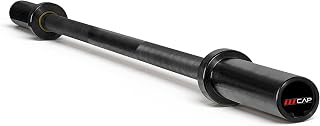
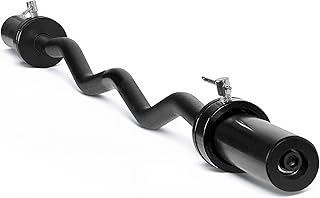
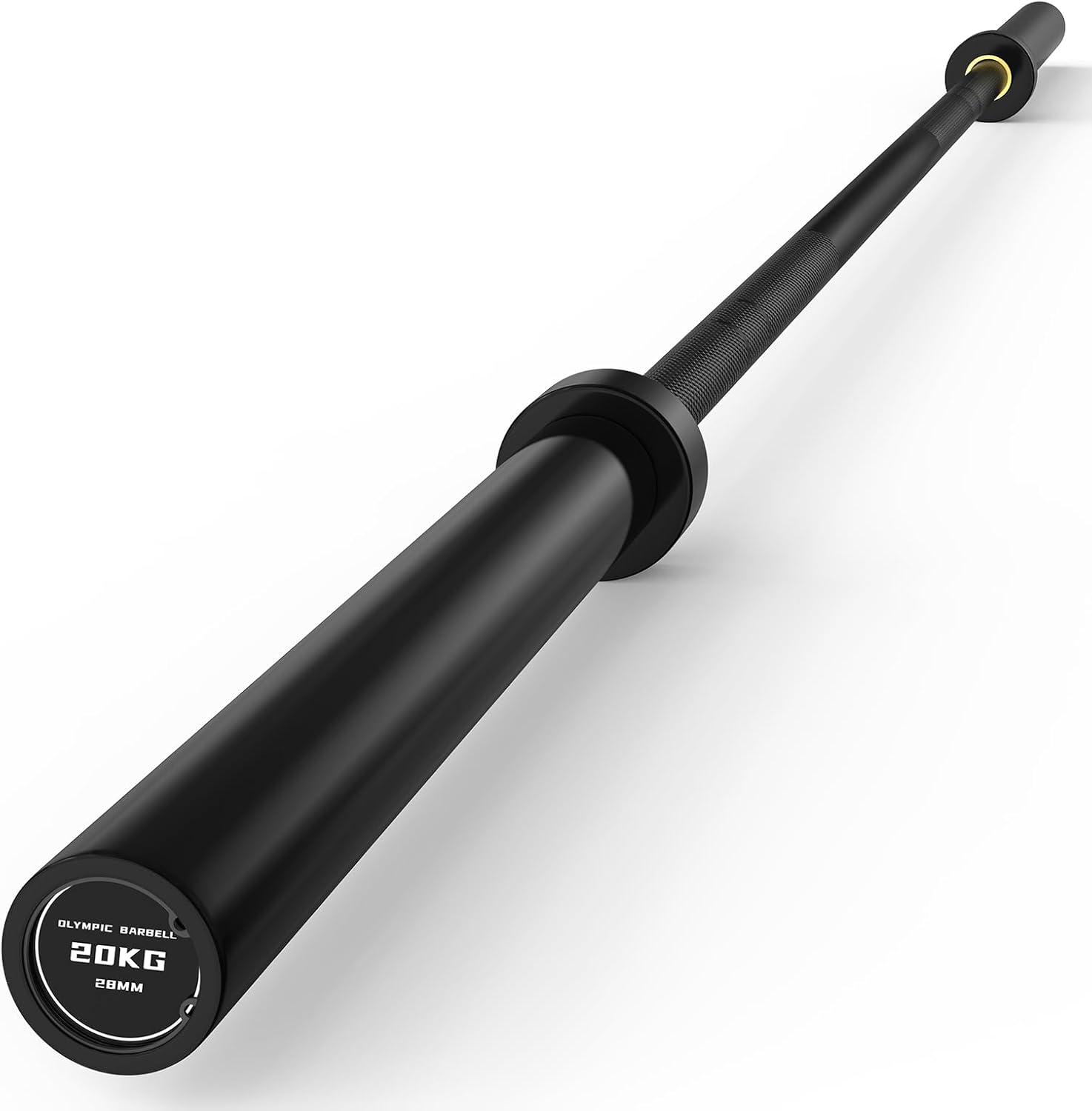
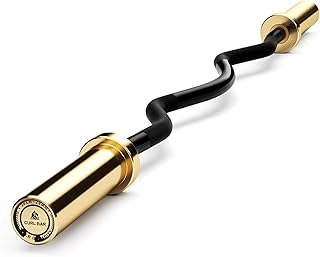
Straight bars suit a mix of squats, presses and pulls, while curl bars change hand position for curls and extensions, and trap bars place you inside a frame for pulls and carries. Fixed-weight bars remove plate changes but require a different bar to change the load; plate-loaded bars let you adjust resistance. Start by deciding which movements the bar must support and how light your starting load needs to be.
For a plate-loaded bar, its own weight sets the minimum resistance before plates go on, so compare that weight with what you can control for your lightest planned exercise. Then allow room for progression within the stated load rating. Among the 80 products that list weight capacity maximum, most fall between 39 and 1,000 pounds, and 400 pounds is typical.. Compare the rating with your intended plate load, and read how the maker defines and supports it: a stated capacity is not permission to drop a loaded bar. If your training includes drops, the manual must explicitly permit them under the intended conditions, including the plates and landing surface. For fixed-weight bars, select the load against the exercise you will perform, since you cannot reduce it by removing plates.
Plate fit and rack fit can rule out an otherwise suitable bar. Match the sleeve diameter to the centre holes of your existing plates, then compare usable sleeve length with the combined thickness of your intended plates and the space needed for collars. For rack exercises, compare the distance between the bar’s inner sleeve shoulders with the rack’s outside support width; total bar length cannot tell you whether it will seat correctly. For movements that turn the bar in your hands, such as cleans, look for sleeves designed to rotate and guidance on the bar’s intended lifting use.
Before ordering, establish whether compatible collars and any pictured plates are supplied or sold separately. Grip labels such as Knurled, Ergonomic and Padded leave the shaft diameter, grip spacing and surface texture unresolved; use the listing’s measurements and close-up photographs to assess where your hands will sit. Chrome and Black also leave the coated part and care requirements unclear. Read the maintenance instructions for cleaning the shaft and servicing any rotating sleeves, including which lubricants are permitted.
How we list products: every listing here has a recorded price, a minimum customer rating and enough ratings or monthly sales. Generic and unbranded listings are left out; every real brand stays, including brands sold only on Amazon. Products are ordered by the same ProductDome score on every page.Editorial policy