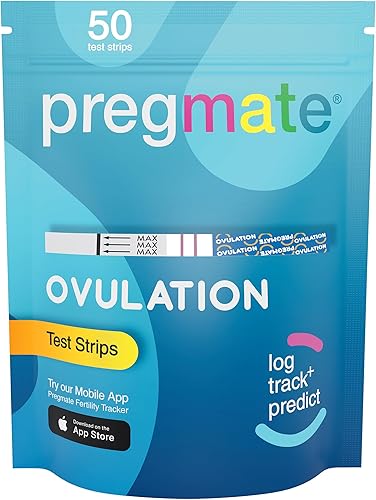
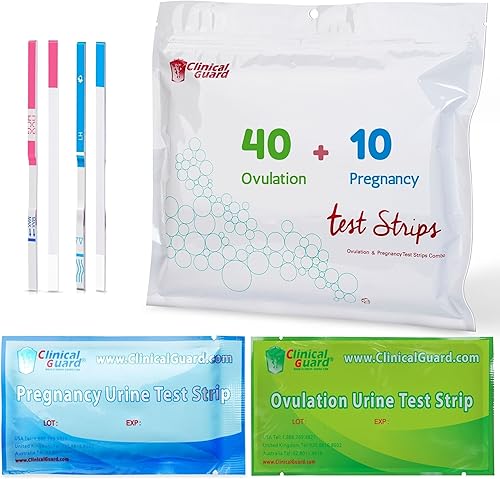
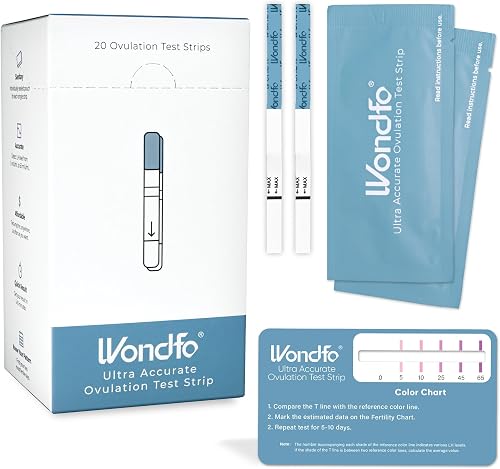
Home health test kits come as dip strips, devices that receive drops from a collected sample, and sticks designed for direct sampling; the practical difference is how much sample handling each requires. First establish what the kit is intended to detect from its instructions, since pregnancy and ovulation tests answer different questions and cannot substitute for each other. For urine-based pregnancy and ovulation tests, choose the sampling format according to whether collecting and transferring urine is practical where you plan to test. Establish whether any required collection cups and droppers are supplied or sold separately. If a listing gives sample volume, verify whether it describes a container’s capacity or the amount required for the procedure.
The intended purpose also determines when you need to test. For pregnancy tests, compare any early-detection claim with the device’s instructions for your intended testing day, including its guidance on sample concentration and repeating an early negative result. For ovulation tests, read the instructions for when to begin testing and how frequently to continue, so the kit suits the schedule you can follow. Among the 14 products that list item weight, most fall between 0.1 and 0.7 pounds, and 0.2 pounds is typical. If you need to carry tests away from home, individually wrapped devices let you take an unopened test without carrying the entire box.
Result presentation affects how you use the test: line-based formats require comparison with the instruction illustrations, while some devices present a written or digital result. Read the interpretation guide before choosing, particularly if distinguishing faint lines would be difficult for you. For repeated testing, look for the stated quantity of usable tests and, in mixed packs, the allocation to each purpose; a piece count may include accessories. For devices with an app connection, establish whether the app is required to read or save results and whether your phone is supported.
Before buying, find the manufacturer’s specified reading window and make sure you can interpret the result within it; a change appearing later may not be valid. The instructions should also explain how to recognise an invalid test, so you know when another device would be needed. Compare the expiry date with when you expect to finish the pack, especially when buying a larger quantity. Read the storage requirements for unopened tests and how soon each device must be used after its wrapper is opened.
How we list products: every listing here has a recorded price, a minimum customer rating and enough ratings or monthly sales. Generic and unbranded listings are left out; every real brand stays, including brands sold only on Amazon. Products are ordered by the same ProductDome score on every page.Editorial policy